Property investors often compare commercial and residential property when deciding how to allocate capital. Both asset types can play a role in long term investment strategies, but they operate in very different ways.
Rather than asking which option is better overall, it is more useful to understand how each type of property works and what kind of investor it may suit.
This guide outlines the key differences between commercial and residential property to help inform that decision.
What Is the Difference Between Commercial and Residential Property?

Residential property refers to homes that people live in, such as houses and flats. These properties typically generate income through rent paid by individual tenants or households.
Commercial property is used for business purposes. This includes offices, retail units, warehouses, and industrial buildings. Income usually comes from business tenants operating under longer lease agreements.
The differences between these two asset types go beyond how the property is used.
Entry Costs and Accessibility
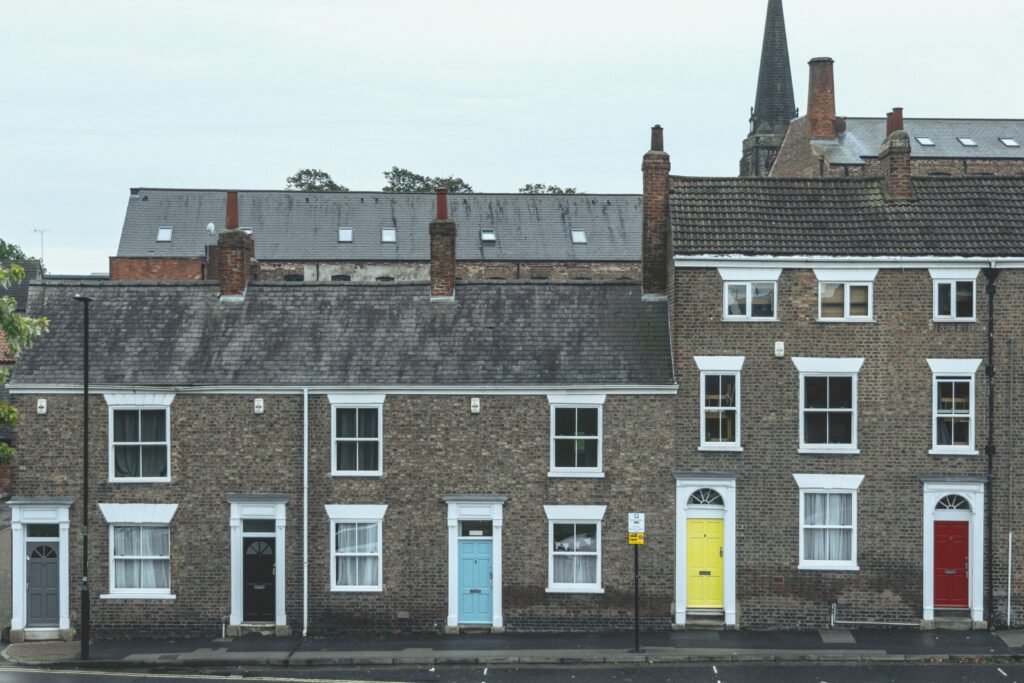
Residential property generally has lower entry costs, making it more accessible to individual investors. Financing options are widely available and the buying process is familiar to most people.
Commercial property often requires higher upfront capital and more complex financing. As a result, it may suit investors with larger budgets or more experience.
Rental Demand and Income Stability
Residential property demand is driven by the need for housing. This can support consistent tenant demand, particularly over the long term.
Commercial property demand is linked more closely to economic conditions and business performance. While leases are often longer, vacancy periods can be longer if a tenant leaves.
Both types of property can generate income, but the drivers of that income differ.
Management and Responsibilities
Residential landlords are typically responsible for maintenance, compliance, and tenant management. This can require more hands on involvement.
Commercial leases may place more responsibility on the tenant, particularly under full repairing and insuring agreements. However, finding and retaining suitable commercial tenants can be more complex.
The level of involvement required varies by property type and individual circumstances.
Risk and Time Horizon
Residential property prices and rents tend to move more gradually. This can suit investors who are focused on long term stability rather than short term gains.
Commercial property values can be more sensitive to economic cycles and changes in business demand. This may increase risk, but can also present opportunities for experienced investors.
Time horizon and risk tolerance are key factors when choosing between the two.
Commercial and Residential Property in a Broader Strategy
Some investors focus on one type of property. Others use a combination to balance income, risk, and growth potential.
Understanding why you are investing is often more important than choosing a single property type. If you are exploring property as part of a long term investment plan, it can help to first understand the fundamentals behind why people invest in property. You can explore those principles on our Why Invest page.
Final Thoughts
Commercial and residential property serve different purposes within an investment portfolio. Neither is universally better than the other.
The right choice depends on your goals, resources, and how involved you want to be over time. Taking a balanced, informed approach helps reduce risk and supports better long term decision making.